
When Golf Becomes a Team Sport
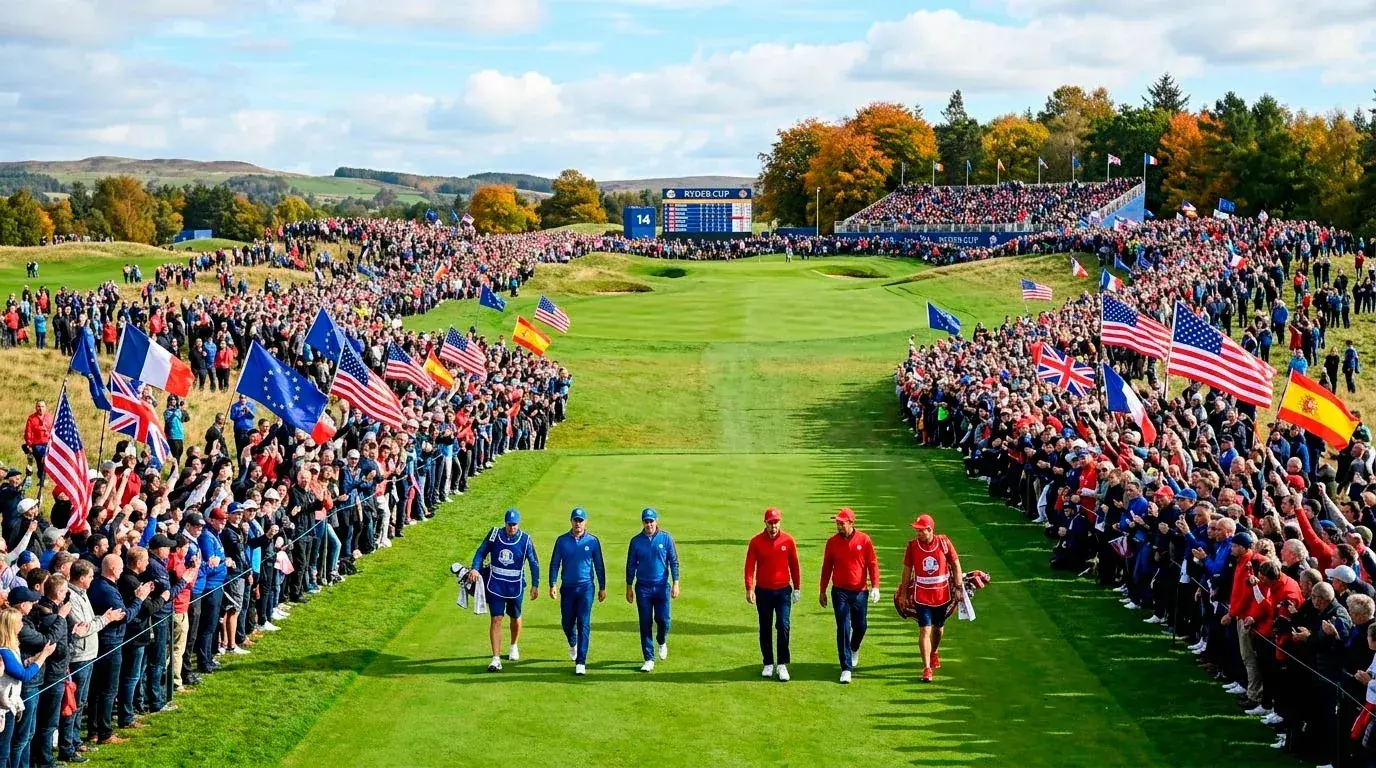
I have been analysing golf betting markets for nine years, and nothing in my experience compares to the atmosphere — or the analytical complexity — of a Ryder Cup week. Every other tournament I cover is an individual contest. The Ryder Cup throws that out entirely, replacing it with a team format where partnerships, captain’s decisions, and collective momentum matter as much as raw skill. For bettors, it is simultaneously the most exciting and the most unpredictable event on the golf calendar.
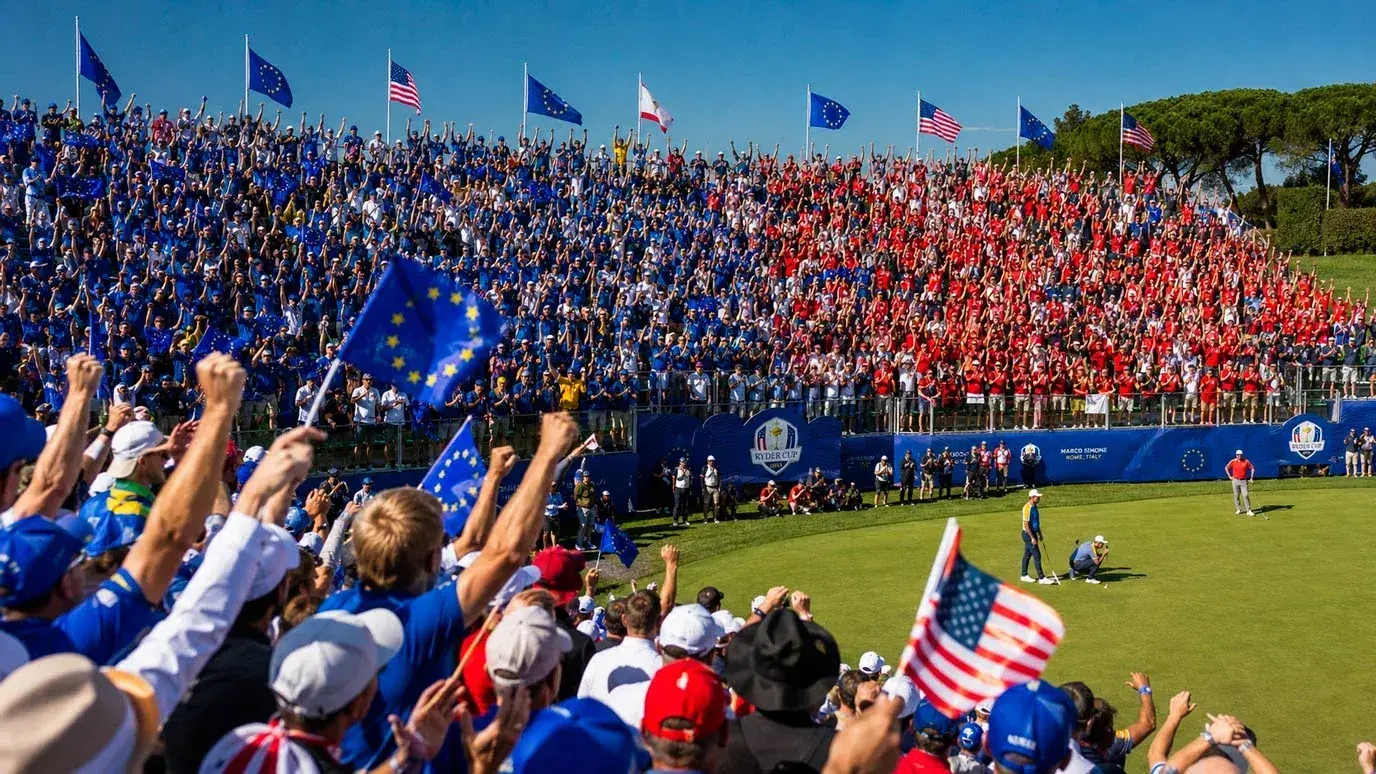
Golf ranks as the third most popular betting sport in the UK, attracting 15% of active bettors, and the Ryder Cup punches well above its weight within that market. As the fourth-largest betting event globally for operators like Entain, it draws enormous casual interest, particularly from UK and European punters with a tribal rooting interest. The Masters generates sentimental bets; the Ryder Cup generates patriotic ones. That emotional overlay distorts the market in ways that create both traps and opportunities for analytical punters.
What makes Ryder Cup betting uniquely challenging is the format. Three days, five sessions, 28 matches, and a team dynamic that introduces variables no individual-sport model can capture. Pairings chemistry, session-by-session strategy, and the psychological impact of momentum shifts between sessions all influence outcomes but resist quantification. The punter who acknowledges these unknowns and adjusts accordingly has a significant edge over the one who applies standard golf betting logic to a fundamentally different event.
Ryder Cup Market Types
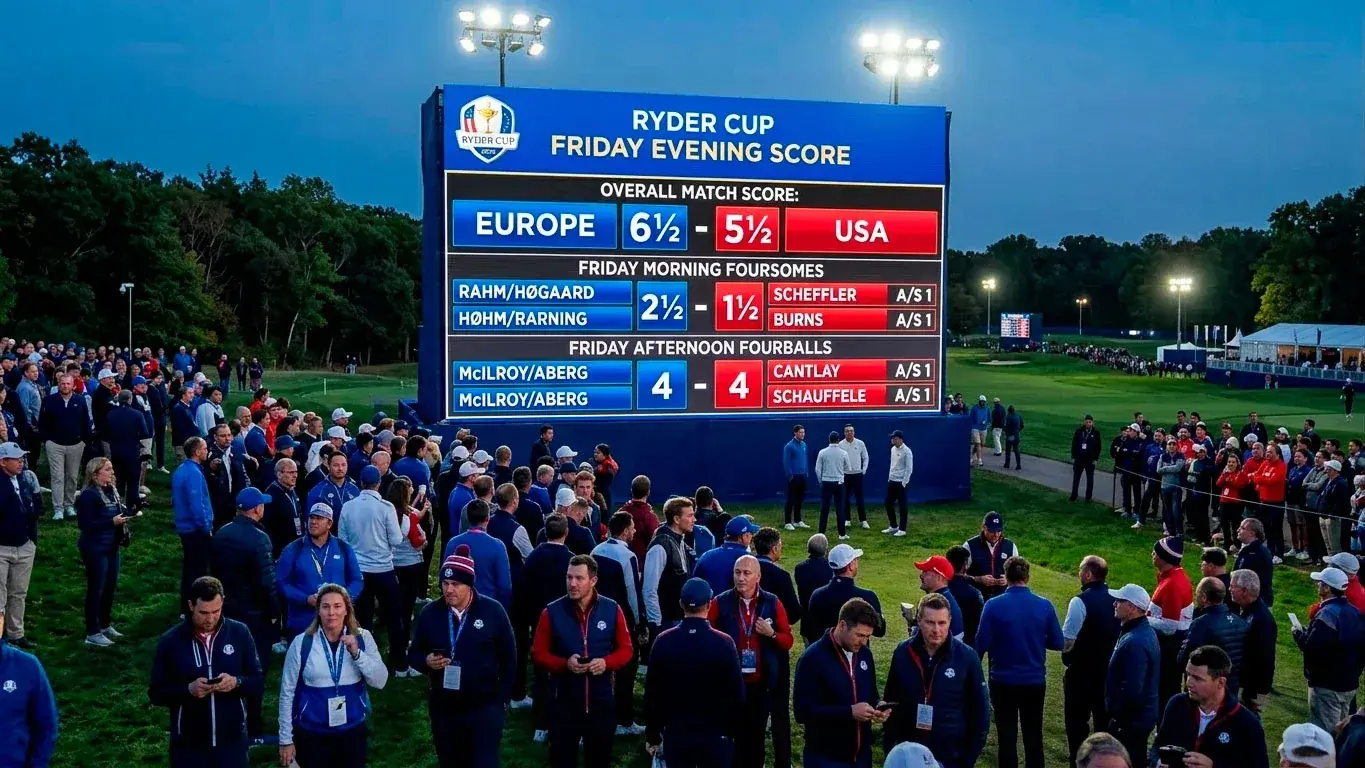
The range of markets available during a Ryder Cup week is broader than most punters realise. The headline market is the match winner — who lifts the trophy, Europe or the United States? This binary outcome is priced like a football match, with one side as favourite and a draw rarely offered (since the competition must produce a winner through tiebreaker rules if the overall score is level). Beyond the match-winner market, bookmakers offer session winners (who wins the Friday morning foursomes, the Saturday afternoon fourballs), top point scorer for each team, individual match results, and margin-of-victory markets.
Session-winner markets are where I concentrate most of my Ryder Cup activity. Each session consists of four matches, and the session winner is the team that accumulates more points across those four matches. The pricing on session markets tends to be less efficient than the overall match-winner price because it requires modelling pairings, form, and format-specific skill — a level of granularity that most casual punters skip entirely. I have found that the Friday morning foursomes session, in particular, offers value because it is the first competitive golf of the week, and the market underprices the advantage of the home team, whose players are more familiar with the course conditions and the atmosphere.
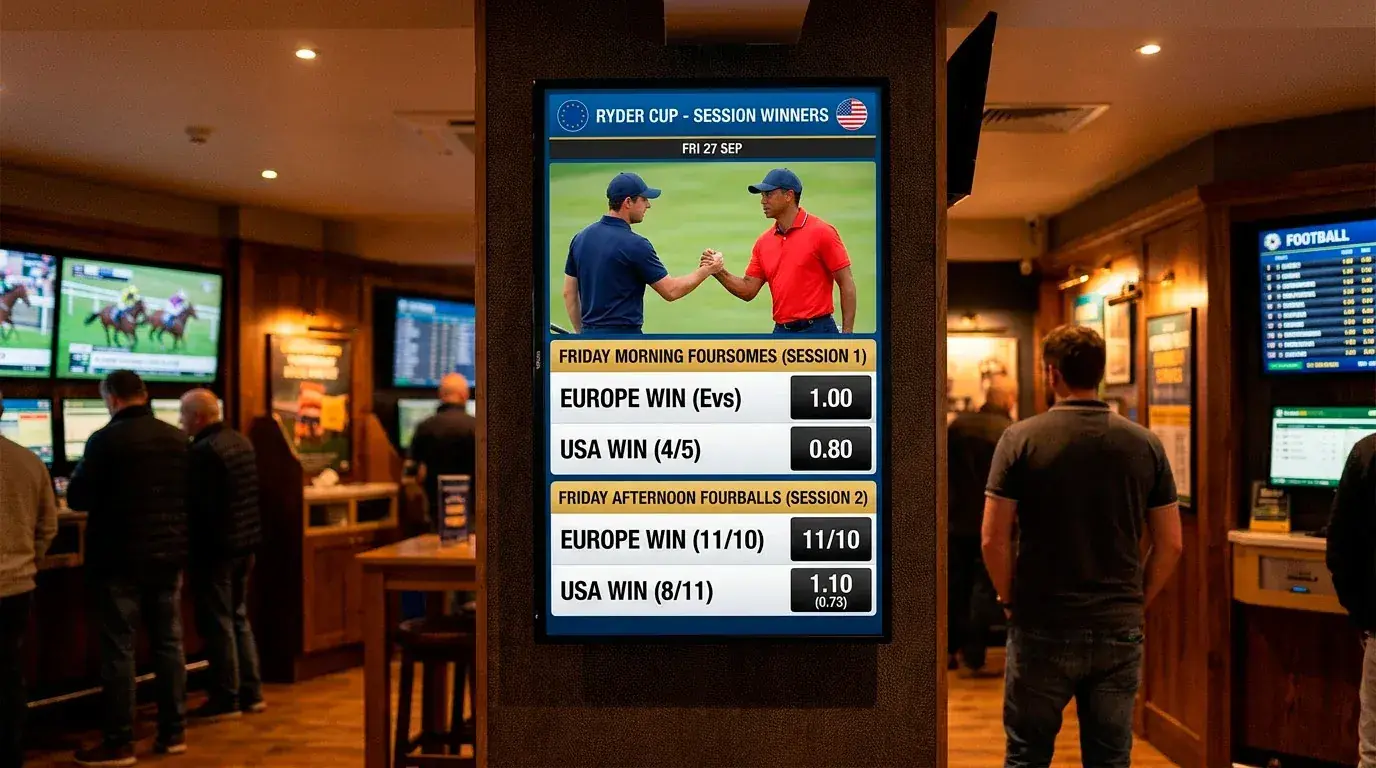
Individual match betting is available for every match across all five sessions. These markets are priced as straight head-to-heads in foursomes and fourballs (team vs team) and as individual matchplay in the Sunday singles. The singles markets are the most analytically tractable because they reduce to a 1v1 contest between named players, allowing Strokes Gained and recent-form comparisons to apply directly. The team formats are harder to model because the interaction between partners — whether they complement each other’s strengths — introduces a variable that data alone cannot capture.
Format-Specific Wagering
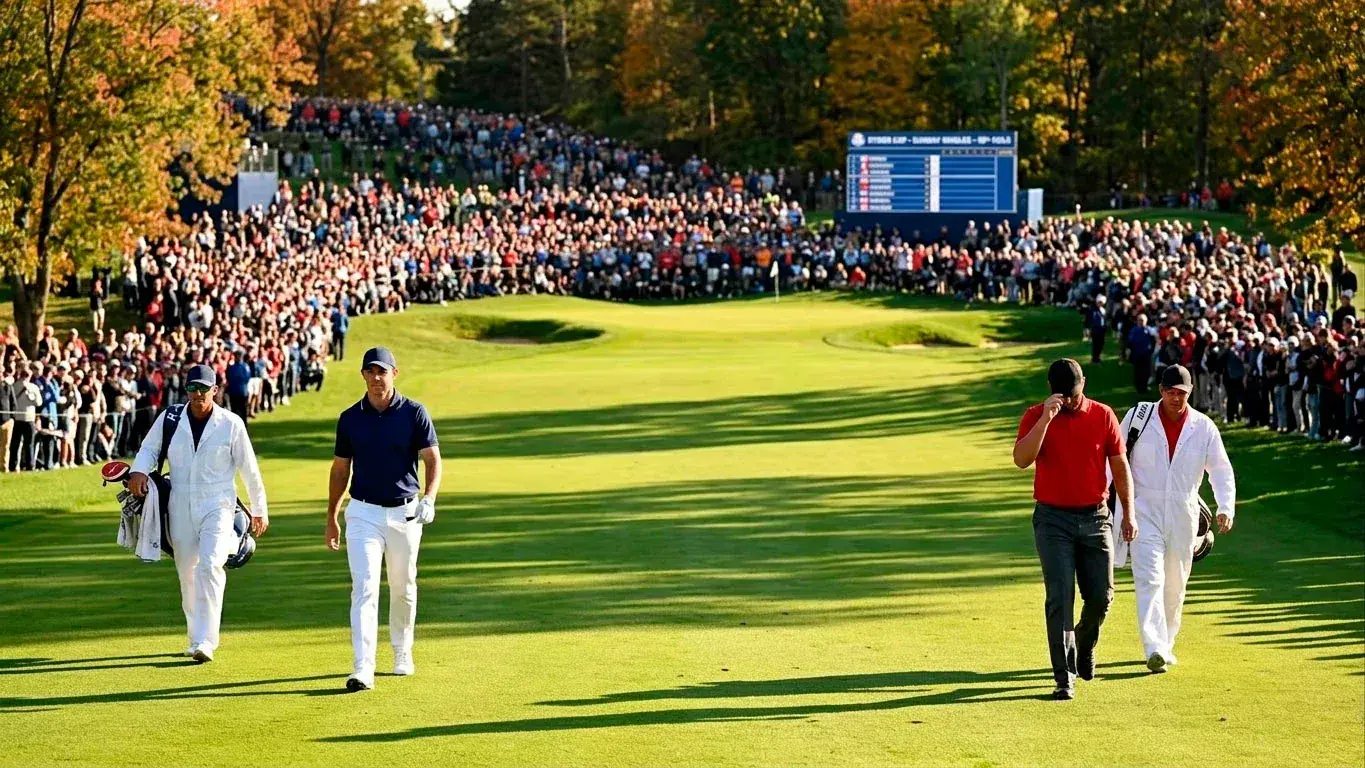
Pamela Maldonado, ESPN’s sports betting analyst, once described golf betting as requiring “intention and direction” rather than indiscriminate spraying of outright wagers. That principle applies tenfold at the Ryder Cup, where each of the three formats — foursomes, fourballs, and singles — demands a distinct wagering approach.
Foursomes (alternate shot) is the format where form is least predictive and chemistry matters most. Two players share a single ball, alternating shots. The rhythm of switching between tee shots and approach shots, the need to leave the ball in playable positions for a partner, and the mental challenge of watching someone else hit your ball all contribute to outcomes that are difficult to model from individual statistics. I apply a 20% uncertainty buffer to my foursomes probability estimates, which means I require larger value margins before betting. In practice, this means I pass on most foursomes match bets and focus instead on the session-winner market, where the four-match aggregate smooths out some of the individual-match randomness.
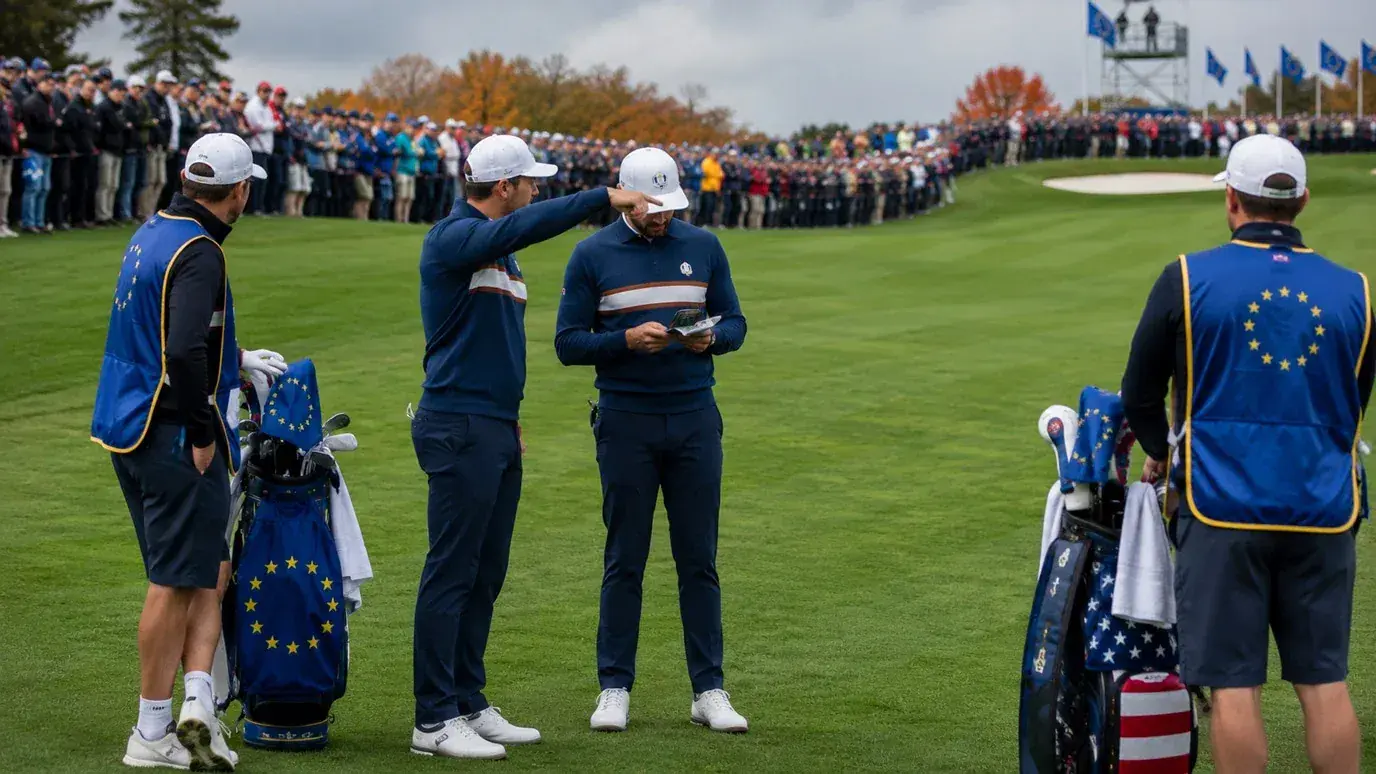
Fourballs (better ball) is more amenable to data analysis because both players hit their own ball, and the team records the lower score on each hole. Here, individual form matters significantly. A pairing with one streaky birdie-maker and one steady par machine is the ideal fourball combination, and I look for teams that match this profile. SG: Tee-to-Green for the steady player and birdie-or-better percentage for the aggressive player are the two metrics I prioritise in fourball analysis.
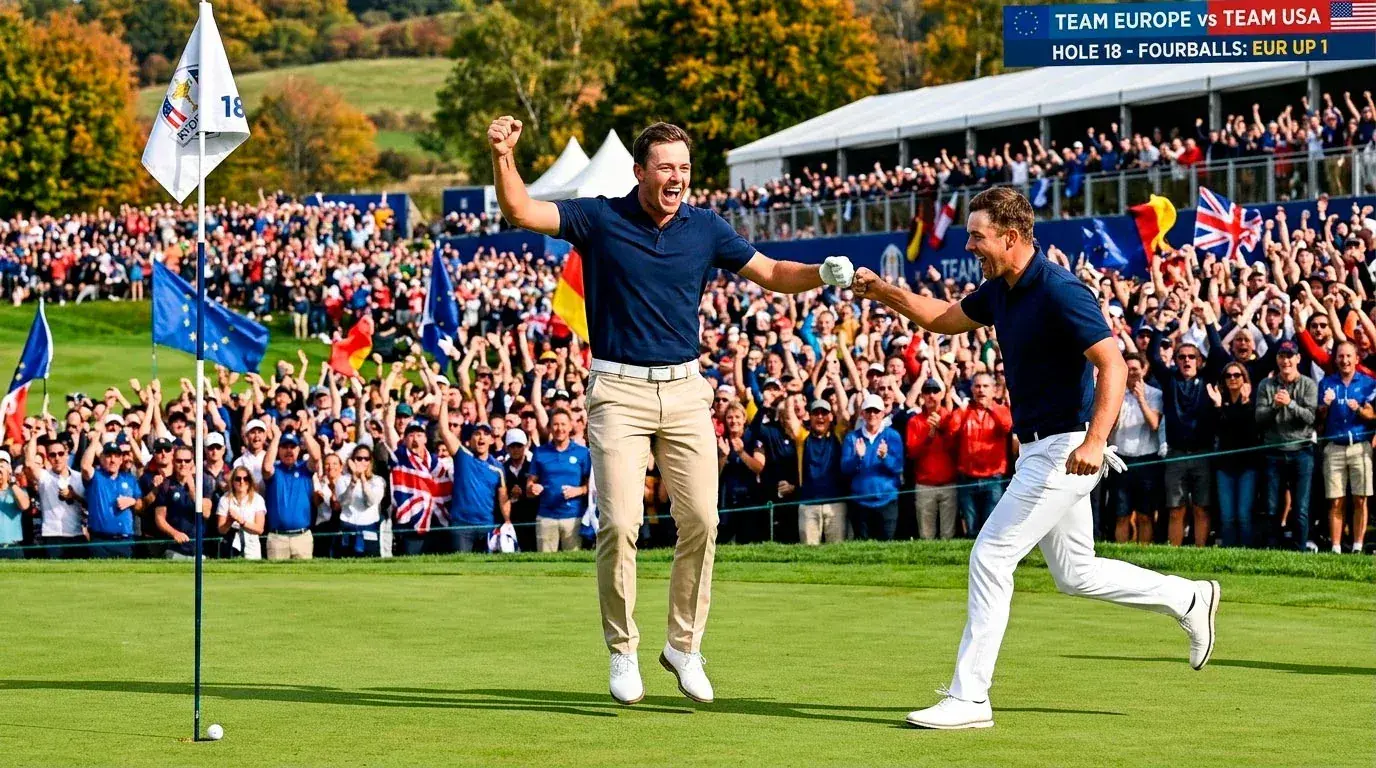
Singles on Sunday is the purest format for betting purposes. Twelve individual matchplay contests, each priced independently. I treat these as standalone matchup bets and apply my standard matchup methodology: Strokes Gained comparison, current form, and live momentum from the preceding sessions. The key Sunday adjustment is fatigue and motivation. Players who have played all four team sessions (eight rounds or more of competitive golf) carry a fatigue disadvantage against players who were rested on Saturday. Captain’s strategy — who plays on Saturday and who is saved for Sunday — is therefore a critical input into singles pricing.
Session Strategy and Series Betting
Series betting — wagering on the outcome of a specific day or sequence of sessions — is a Ryder Cup speciality that rewards punters who understand momentum dynamics. Friday’s two sessions often set the tone for the entire competition. A team that wins Friday’s foursomes and fourballs has historically gone on to win the Ryder Cup roughly 70% of the time. That historical tendency is priced into the overall match-winner market by Saturday morning, but the initial Friday morning session-winner price often does not fully reflect the home-team advantage.
I typically structure my Ryder Cup betting in two stages. Stage one, before the first ball is struck, consists of session-winner bets on Friday morning and the overall match-winner market. Stage two, during the competition, involves in-play adjustments based on the evolving score, momentum, and any injury or form concerns that emerge during play. The Ryder Cup’s slow pace — matches take four to five hours — provides ample time for in-play analysis, and the emotional volatility of the crowd often causes the market to overreact to short-term momentum swings. When Europe wins the first two matches on Friday morning and the in-play price compresses dramatically, I often find value on the other side, because two matches is not a statistically significant sample and the remaining 26 matches offer ample opportunity for a reversal.