


The Market Inside the Market
The first time I placed a per-hole bet during a live broadcast, I picked a birdie on the 16th at TPC Scottsdale — the famous par-three with a stadium atmosphere. My player stuck it to four feet, the crowd went mad, and I collected at 9/4 before the group ahead had finished putting out on 17. That single bet hooked me on a corner of golf wagering that most punters walk straight past on their way to the outright market.
The UK processes 290.03 million online bets on real-world events every month, and while golf’s share is modest compared to football, the granularity of hole-by-hole markets is unlike anything else in sport. Football gives you match result, correct score, next goalscorer. Golf gives you 72 individual outcomes per player per tournament — each hole a self-contained event with its own probability profile, its own terrain, and its own potential for drama. Prop bets and novelty wagers sit at the entertaining end of the golf betting spectrum, but they also reward a specific kind of knowledge that outright markets do not.
This guide covers what per-hole markets actually look like, how the exotic end of golf wagering works, and where availability falls short of what you might expect from a sport with this many discrete outcomes. If you enjoy live golf betting, per-hole markets are the logical next frontier.
Per-Hole Market Types
I watched a friend spend an entire Saturday afternoon betting individual holes during a PGA Tour event, treating each one like a miniature match. By the 14th hole he had placed more bets than I make in a typical month. He lost money overall, but his understanding of how course layout interacts with player tendencies was sharper by Sunday than it had been on Friday. Per-hole markets teach you things that outright analysis never will.

The most common per-hole market is the simple outcome bet: will a specific player make birdie, par, bogey, or worse on a given hole? Bookmakers price these using historical scoring averages for the hole, adjusted for the individual player’s recent form and statistical profile. A reachable par five might be priced at 6/4 for birdie, 5/4 for par, and 5/1 for bogey or worse. A demanding par three into a headwind might flip those numbers entirely.
Next-hole winner markets work like miniature matchups. Two or three players in the same group are pitted against each other for a single hole, with the lowest score winning and ties typically voided or settled as a dead heat. These markets move rapidly during live coverage because a single tee shot that finds the fairway versus one that finds the rough immediately shifts the probabilities.

Over/under hole score markets set a line — usually 3.5 on a par four — and ask whether the player will finish above or below. These are particularly interesting on holes with extreme variance, where the design creates a genuine split between birdie opportunities and bogey danger. The 12th at Augusta — Amen Corner’s par three over Rae’s Creek — is the textbook example: the birdie and double-bogey probabilities are both elevated, making the over/under tighter than the par suggests.

Online betting accounts for 78.47% of UK sports betting revenue, and that digital infrastructure is what makes per-hole markets viable. These markets require real-time data feeds, immediate settlement, and the ability to open and close rapidly between shots. They exist primarily as in-play products, which means availability depends on broadcast coverage and the quality of the data feed from the course. Not every tournament and not every player group will have full per-hole coverage.
Hole-in-One and Novelty Bets
A hole-in-one during a televised tournament is one of those rare moments that generates a shared experience — commentary teams lose composure, players react as though they have won the event, and betting slips across the country either become valuable or become proof that someone took a punt on the right player at the right hole. The betting industry’s media and data operations continue to accelerate, with companies reporting accelerating momentum and growing demand from the world’s largest brands and agencies — and novelty markets like hole-in-one bets are part of that commercial ecosystem.
Hole-in-one bets can be structured several ways. The broadest version asks whether any player in the entire field will record a hole-in-one during the tournament. At a major championship with 156 players tackling four par threes over four rounds, this is more likely than most punters assume — historically, roughly one in three major championships produces at least one ace. Prices for “any player, any round” tend to sit between 5/4 and 7/4 depending on the par-three difficulty profile of the course.
Player-specific hole-in-one bets are significantly longer. Asking whether a named player will ace a specific hole in a specific round pushes odds into the thousands. These are pure novelty — entertainment bets with negligible analytical edge and tiny maximum stakes. But they generate outsized excitement relative to their cost, which is precisely why bookmakers offer them.

Nearest-the-pin wagers are less common in traditional sportsbook formats but appear in exchange markets and some operator specials. The bet asks which player in a designated group will finish closest to the pin on a par three. Settlement relies on precise measurement data that is not always available outside PGA Tour events with full ShotLink coverage, which limits the market’s reach.
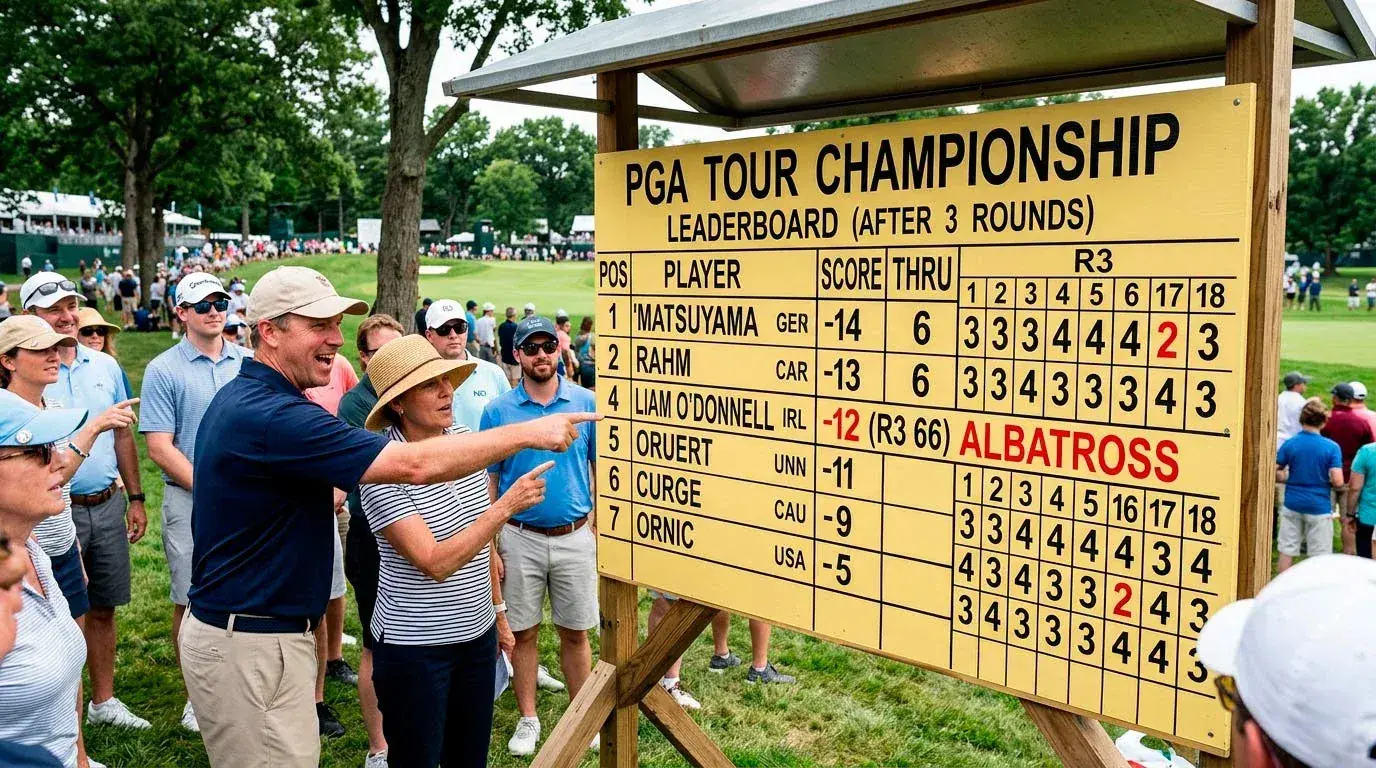
Other novelty markets include: will a specific player hit the fairway on a designated hole, will there be an albatross during the tournament, and will any player record a score of 10 or higher on a single hole. These markets are priced with wide margins because the bookmaker has limited historical data to work from and limited incentive to tighten the price on low-volume products. The entertainment value is real; the analytical value is close to zero.
Availability and Limitations
Here is the reality check that every per-hole enthusiast encounters eventually: the markets you want are not always there. I have sat down for a Thursday morning tee time at a regular tour event, opened three different sportsbook apps, and found zero per-hole markets available. The infrastructure required to offer these products — live shot data, broadcast confirmation, rapid settlement systems — is expensive, and operators deploy it selectively.
PGA Tour events with full ShotLink coverage offer the widest per-hole availability. Featured groups during major championships are the peak: every major UK sportsbook will offer per-hole markets on the marquee pairings at the Masters, The Open, the US Open, and the PGA Championship. Outside that window, coverage drops sharply. Early-round groups without broadcast attention may have no per-hole markets at all. DP World Tour events have even less coverage, and LIV Golf per-hole markets are functionally non-existent on most platforms.
Liquidity is another constraint. Even when per-hole markets are available, the stakes are small and the margins are wide. A bookmaker might accept five or ten pounds on a per-hole outcome where it would accept hundreds on an outright or matchup. The pricing reflects this: per-hole margins often run 15-20%, compared to 7-12% on tournament outrights. You are paying a premium for granularity and entertainment.
Settlement timing varies between operators. Some settle per-hole bets within seconds of the putt dropping. Others wait for official scoring confirmation, which can take several minutes. During a fast-paced Sunday broadcast, that delay matters — not because it changes the outcome, but because it freezes your bankroll and prevents rapid redeployment on subsequent holes. If per-hole betting is a significant part of your approach, settlement speed should factor into your platform selection.
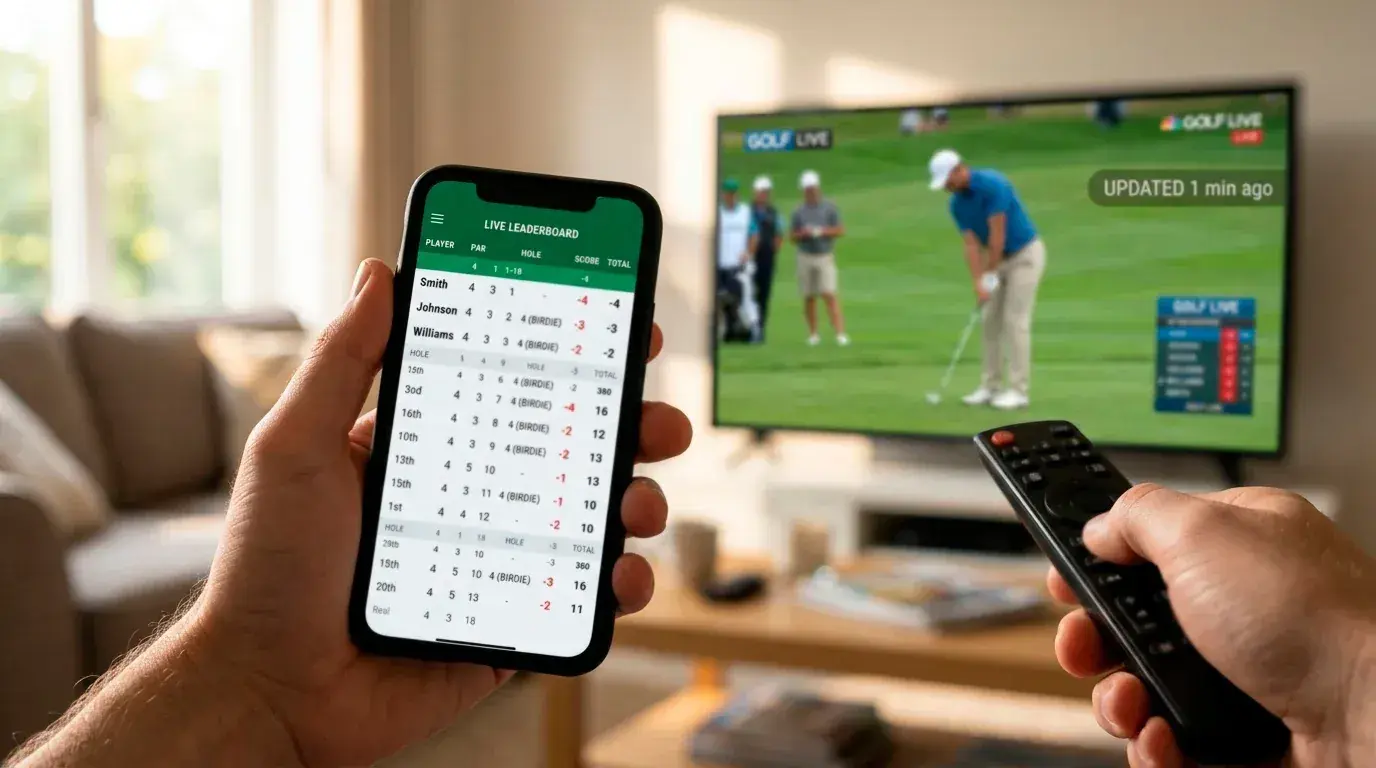
The analytical edge in per-hole markets is narrow but real for punters who specialise. If you know that a specific player gains 0.4 strokes per round on par fives but loses 0.2 on par threes, you can identify individual holes where the bookmaker’s generic pricing does not fully reflect the player’s tendencies. It is granular, time-intensive work — but it is the same data-driven approach that produces value in outright markets, applied at a finer resolution.
