
One Round, One Leader, One Payout
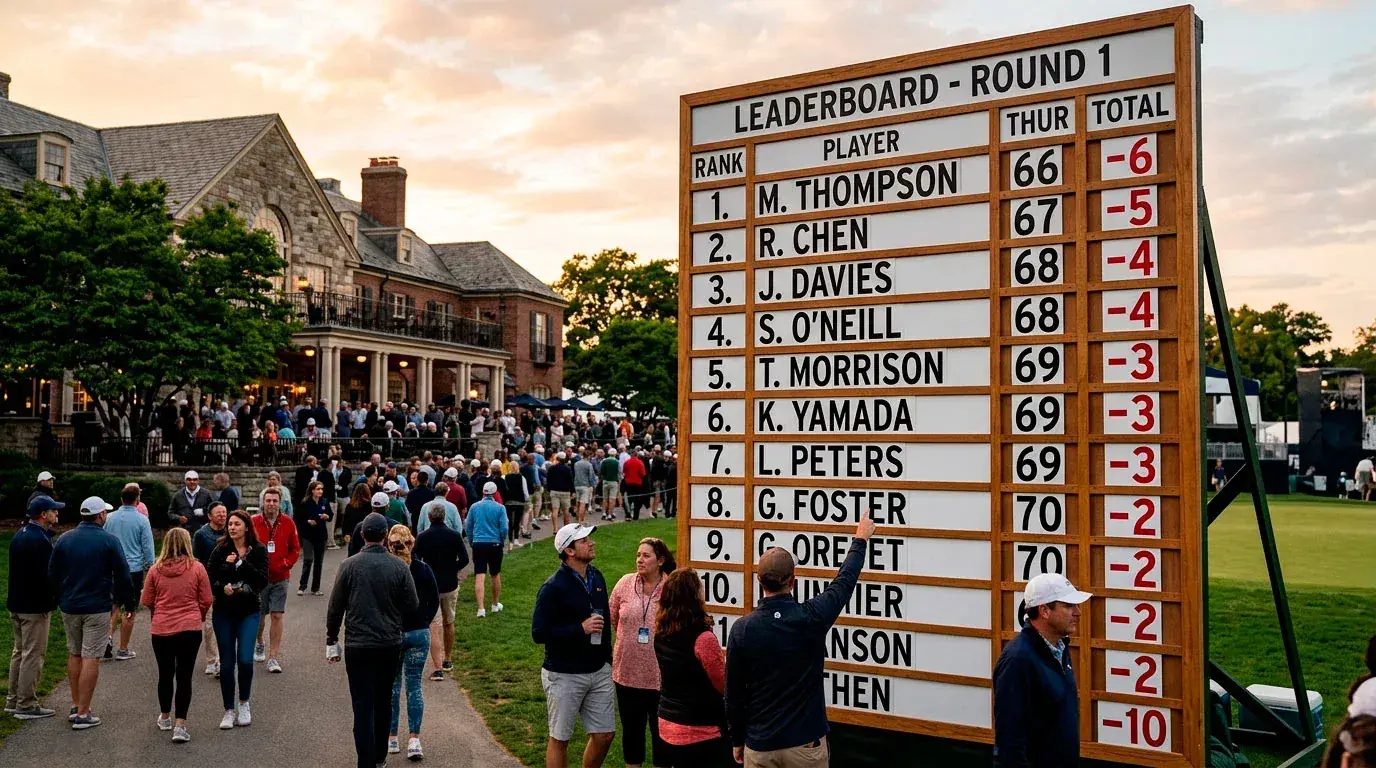
The first golf bet I ever cashed was a first round leader wager. A 50/1 punt on a player I had spotted as a fast starter who thrived in calm morning conditions. He shot a 63, led by two strokes after Thursday, and paid out before the weekend even started. That immediacy — the fact that an FRL bet resolves in a single day — is what initially hooked me, and it remains one of the market’s defining advantages.
First round leader betting asks a deceptively simple question: who will hold the outright lead after 18 holes on Thursday? In a sport where tournament outcomes unfold over four days, this market compresses the entire analytical exercise into one round. For a betting landscape where golf ranks as the third most popular wagering sport in the UK, drawing 15% of all bettors, the FRL market offers a refreshingly quick resolution compared to the slow grind of outright and each-way bets. You know the result by Thursday evening, freeing your bankroll for further action on Friday or over the weekend.
But simplicity of concept does not mean simplicity of execution. FRL markets carry unique pricing dynamics, a structurally high dead-heat probability, and a sensitivity to tee-time and weather variables that most punters underestimate. Getting these details right is what separates the punters who dabble in FRL from those who profit from it consistently.

FRL Pricing and the Dead-Heat Reality
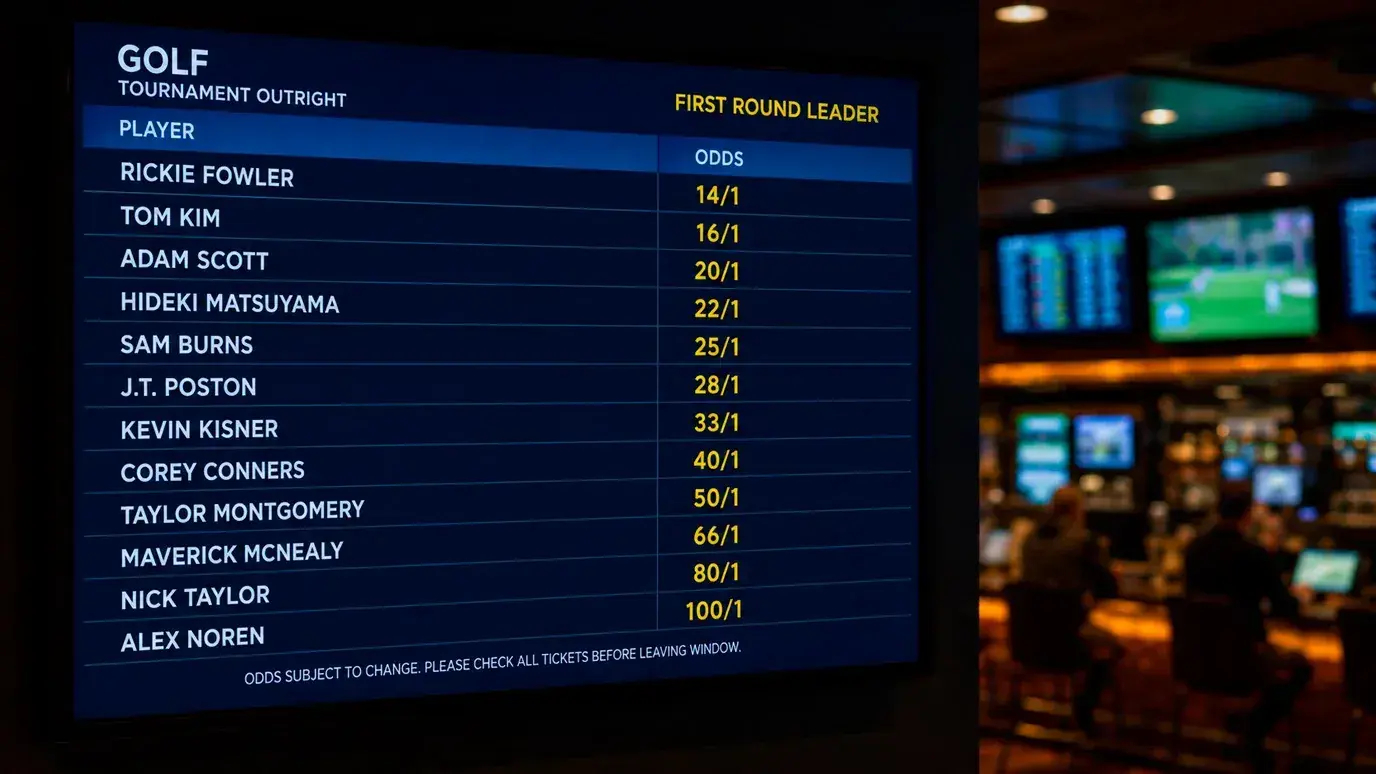
Every Thursday morning on a PGA Tour week, I open my sportsbook app and scan the FRL market. The favourite is typically priced between 14/1 and 20/1 — already long by the standards of most sports, but short by golf standards. The reason these prices run long even for elite players is the sheer improbability of any single golfer shooting the lowest score in a field of 156. Over 18 holes, the variance in golf scoring is enormous. A world-class player can shoot 65 and still not lead if an unheralded qualifier fires a 62.
That variance creates a structural problem for bookmakers: they must price a market where the genuine favourite has perhaps a 5% to 7% chance of leading after round one, and the probability is spread remarkably thin across the rest of the field. The overround in FRL markets tends to be aggressive — often exceeding 150% — because traders face huge model uncertainty over a single-round outcome. That inflated margin means the bookmaker is well-protected, but it also means that when you identify a genuine value selection, the payoff is substantial.
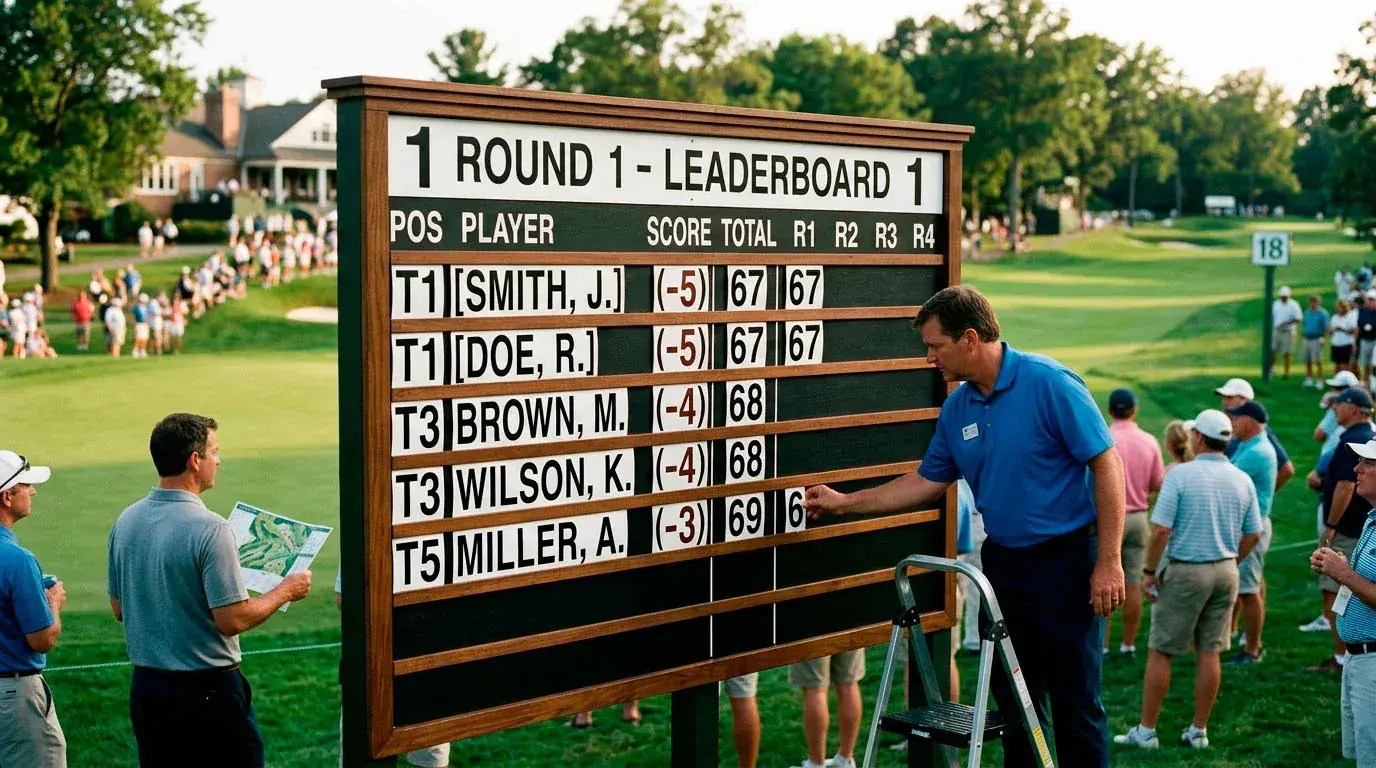
Dead heats are the other defining feature of FRL betting. Unlike outright markets, where playoffs determine a single winner, the first round leader is determined by scorecard. If two players share the lowest score, the market settles as a dead heat. In my tracking database, roughly 35% to 40% of PGA Tour first rounds produce a shared lead. That frequency is high enough to meaningfully erode expected returns. A 40/1 winner that dead-heats with one other player becomes a 40/1 winner at half stakes — your payout drops from 41 units to 20.5 units. Over a season of FRL betting, dead-heat reductions account for a significant drag on returns, and any serious FRL punter must build this into their probability models.
I handle this by applying a blanket 15% reduction to my estimated probability for any FRL selection. If I calculate a player’s round-one win probability at 6%, I reduce it to roughly 5.1% before comparing against the bookmaker’s price. This crude adjustment accounts for the expected dead-heat frequency and ensures I am not overpaying for selections that are likely to share the lead.
Statistics That Predict Round-One Leaders
The question I get asked more than any other about FRL betting is straightforward: which stats actually matter? After nine years of tracking, I can answer with confidence — and the answer is not what most punters expect.
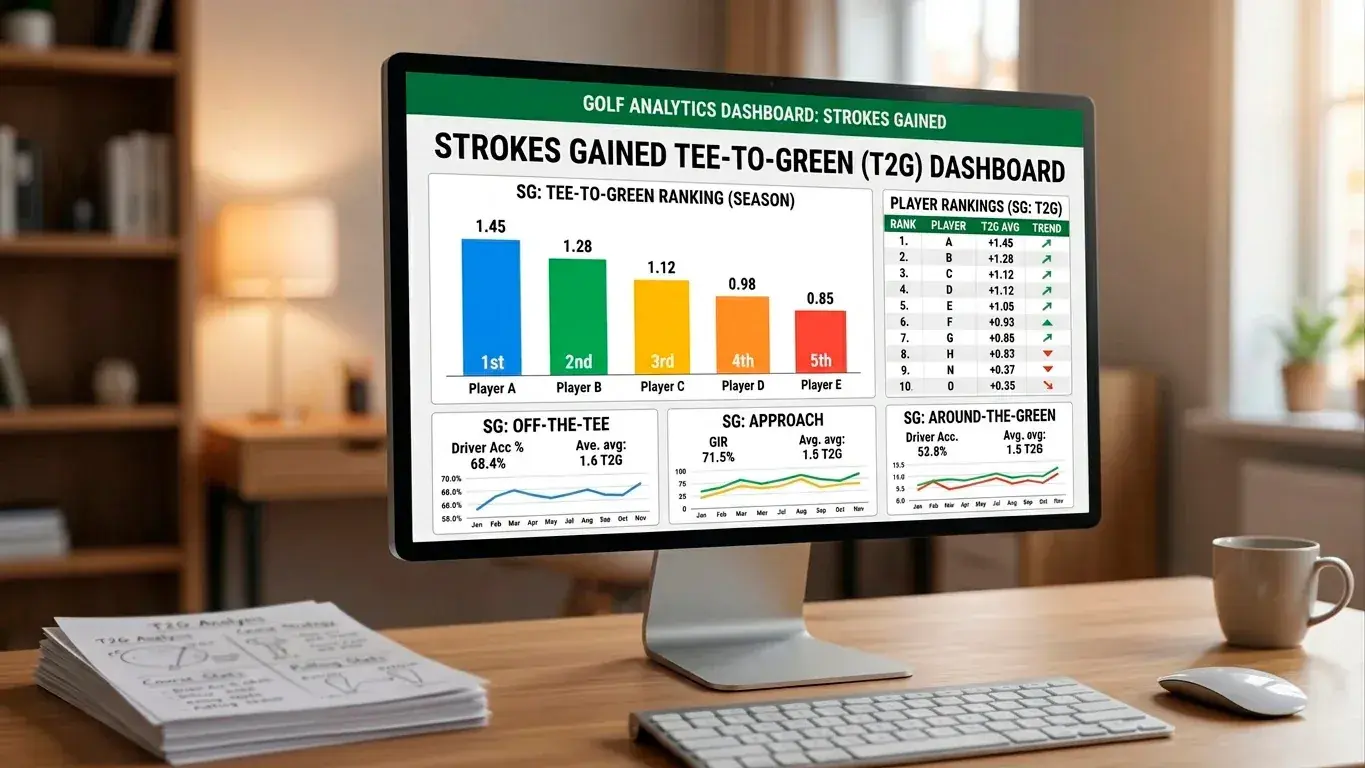
The PGA Tour has tracked Strokes Gained in granular categories since 2016, and that data has reshaped how I approach every market. For FRL betting specifically, two SG categories stand out. The first is SG: Tee-to-Green, which captures a player’s total ball-striking quality from tee to the edge of the putting surface. Players who rank highly in SG: Tee-to-Green over their last 12 to 24 rounds tend to produce low first-round scores because their ball-striking consistency gives them more birdie opportunities and fewer bogey risks. The second is first-round scoring average relative to field, which is a simpler metric but directly measures a player’s historical tendency to start fast.
What I have found surprising is how little SG: Putting matters for FRL prediction. Putting performance is the most volatile component of a golfer’s game — a player can gain three strokes on the greens one week and lose two the next. Over a single round, hot putting can push anyone to the top of the leaderboard, but it is nearly impossible to predict in advance. I therefore weight my FRL models toward ball-striking metrics and treat putting as noise rather than signal.
Course-specific history adds another layer. Some players consistently start well at particular venues. Track record data going back five or more years at the same course provides a small but meaningful edge, particularly at golf betting statistics venues that host annual events, where course familiarity reduces first-round nerves and eliminates the learning curve that affects first-time visitors.
Tee-Time Draws and Weather Splits
Greg Ferris, Entain’s managing director for sports, once described the Masters as an event that “captures imaginations” and “brings out the fan in all of us.” That is true for the spectacle — but for FRL punters, the Masters and every other tournament is fundamentally shaped by something far less romantic: tee-time draws and weather windows.
In every PGA Tour event, the field is split into two waves: a morning draw and an afternoon draw on Thursday, with the waves reversing on Friday. Weather conditions can differ dramatically between the two waves. A calm, dewy morning might produce scoring averages of 69.5, while a windy, dried-out afternoon session pushes the average to 72.0. A 2.5-stroke swing between waves is not unusual, and it directly determines which players have the best opportunity to lead after round one.

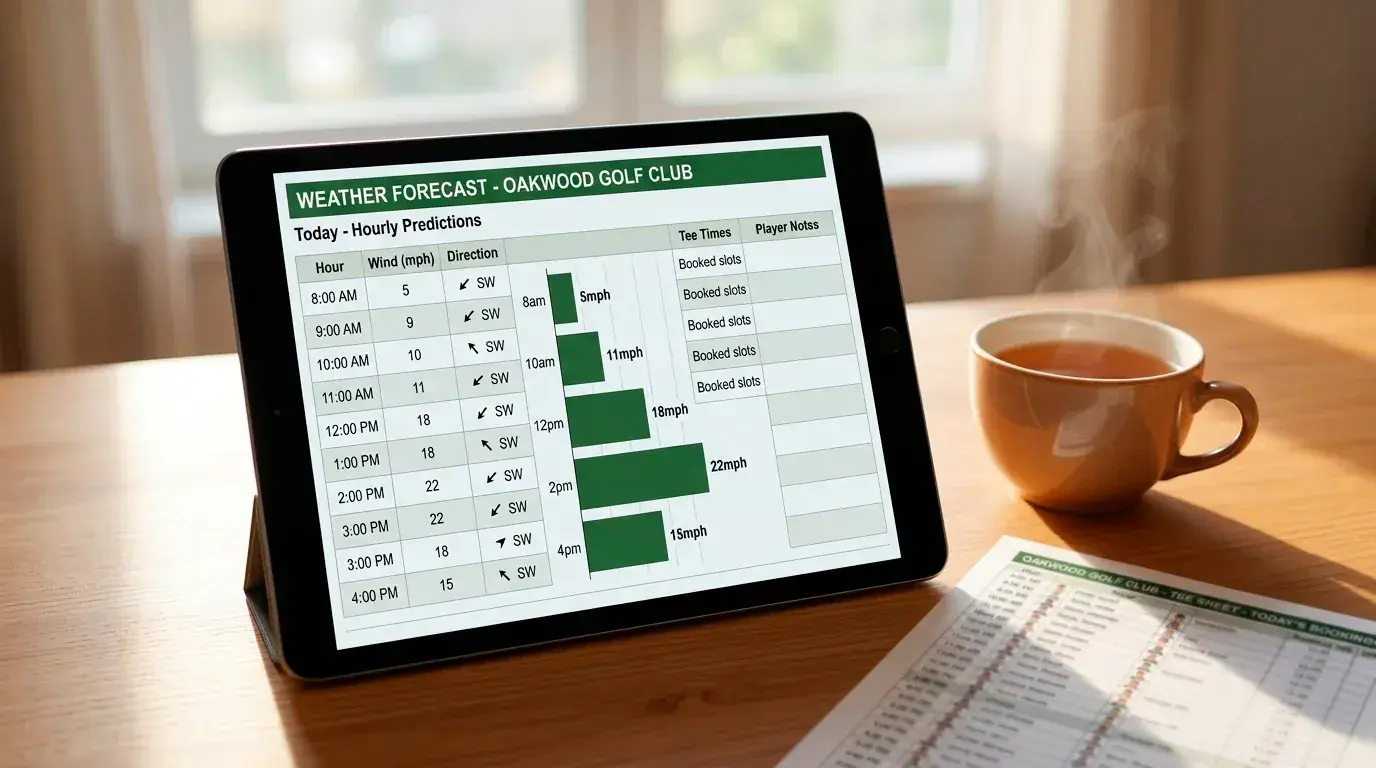
I check weather forecasts obsessively on Wednesday evenings. If the models show wind picking up after midday, I focus my FRL selections exclusively on the morning wave. If conditions are expected to be benign all day, I weight my selections toward the best players regardless of wave assignment, since the weather advantage is neutralised. This single adjustment — filtering selections by wave assignment before analysing form — has improved my FRL hit rate more than any statistical refinement I have made. The data supports the approach: across my records, roughly 60% of FRL winners come from the wave with the lower scoring average, a gap that is far too large to ignore.